How to Efficiently Manage Charging for Your EV Fleet?

Time:2026-08-28 Author:Oliver
0%

Managing an electric vehicle (EV) fleet presents unique challenges. According to Dr. Emily Carter, an expert in sustainable transport, "The efficiency of your EV fleet relies heavily on effective charging management." Knowing how to manage EV fleet charging efficiently is vital for any organization looking to maximize its green investment.

While many focus on acquiring EVs, the charging aspect is often overlooked. Efficient charging management can lead to significant cost savings. It also ensures that vehicles are ready when needed. However, many fleet managers remain unsure about the best practices. Implementing a strategy requires careful planning and awareness of technology solutions.

Understanding when and where to charge vehicles is crucial. Factors such as peak demand times and energy prices can affect operations. Additionally, relying solely on fast chargers may not be the most sustainable approach. Fleet managers should consider a blend of charging options to optimize usability. By diving deeper into how to manage EV fleet charging efficiently, fleets can thrive in a green economy.
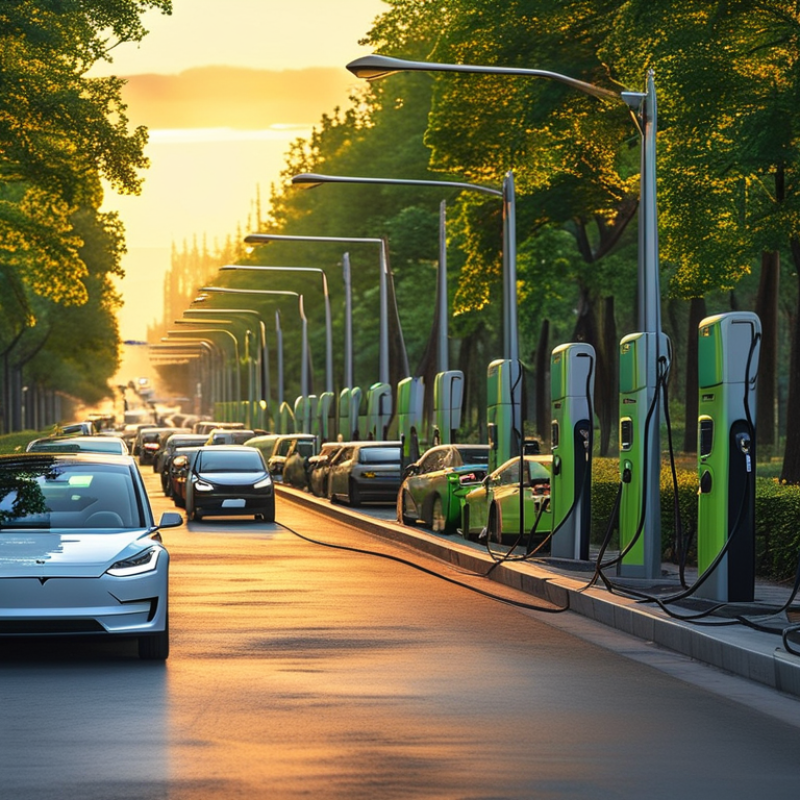
How to Efficiently Manage Charging for Your EV Fleet?

Understanding Your EV Fleet's Charging Needs and Usage Patterns

Understanding your EV fleet's charging needs and usage patterns is crucial. Effective fleet management relies on data-driven strategies that reflect real-world usage. According to the International Energy Agency, electric vehicle (EV) sales are projected to surpass 25 million annually by 2030. This growth emphasizes the urgent need for well-planned charging infrastructures.

Data from a recent study shows that about 70% of fleet managers report challenges in predicting charging times and locations. This knowledge gap can lead to inefficiencies. Regular monitoring of usage patterns can resolve this. Analyzing daily mileage helps in determining optimal charging times.

Engagement with drivers can offer valuable insights. Many drivers may have preferences for certain charging times or stations. Collecting this data can enhance your charging strategy. Furthermore, consider integrating smart charging solutions that align with energy consumption patterns. This approach not only ensures vehicles are charged when needed but also reduces costs during peak demand hours.

Identifying Optimal Charging Locations for Maximum Efficiency

Identifying optimal charging locations is crucial for maximizing efficiency in managing your electric vehicle (EV) fleet. You need to consider several factors. First, the proximity to high-traffic areas can reduce downtime for drivers. Choose locations near major highways or urban centers. This can help maintain the operational flow of your fleet.

Effective charging requires data-driven decisions. Analyze your fleet's travel patterns and charging needs. Identify peak usage times and adjust charging locations accordingly. Different routes may require distinct charging strategies. You should also consider the local grid's capacity to support fast charging stations. Understanding this can lead to significant operational savings.

One essential aspect is to regularly evaluate the performance of your charging sites. Are they meeting your fleet's needs? Gather feedback from drivers about charging experiences. This can highlight potential issues, such as charger availability or location convenience. Continuous reflection on these factors can lead to more informed decisions for future site selections. Sustainable management relies on adapting to changing needs and technology advancements.

Implementing Smart Charging Solutions to Reduce Costs and Downtime

Smart charging solutions offer immense potential for optimizing electric vehicle (EV) fleet management. By employing advanced technologies, fleets can dynamically schedule charging during off-peak hours. This not only cuts energy costs but also minimizes grid strain. Implementing real-time data analytics can provide valuable insights into charging patterns and energy consumption. Fleet managers can identify peak usage times and adjust charging accordingly.

Failure to effectively manage charging leads to downtime and inflated costs. A well-designed smart charging infrastructure should address these issues. Integrating renewable energy sources, such as solar or wind, can further reduce dependence on traditional grids. However, relying solely on renewables without backup options can be risky. It's essential to maintain balance to ensure fleet availability.

Establishing robust protocols for monitoring and maintenance is crucial. Regularly revisiting the charging strategy can uncover inefficiencies. EV technology is rapidly evolving, and what works today may not be efficient tomorrow. Keeping pace with advancements in charging technology is necessary to maximize benefits. Thoughtful reflection on past practices can guide future improvements in fleet management.

Leveraging Data Analytics for Predictive Charging Management

Predictive charging management for electric vehicle (EV) fleets is becoming increasingly vital. By leveraging data analytics, fleet managers can optimize charging schedules and energy consumption. Reports indicate that proper energy management can reduce costs by up to 30%. By analyzing historical charging patterns and peak usage times, fleets can enhance their operational efficiency.

Data analytics helps in identifying high demand periods. During these times, charging costs can skyrocket. A predictive model can suggest off-peak charging strategies, ensuring that fleets charge when electricity rates are low. In fact, utilities have found that smart charging can alleviate stress on the grid during peak hours, improving system reliability.

However, some challenges persist. Not all fleet operators have access to advanced data analytics tools. This can lead to less informed decision-making in charging management. Additionally, data quality may vary, affecting the accuracy of predictions. Striking a balance between technology and human insight is essential for achieving optimal results. The journey towards efficient EV fleet management requires ongoing learning and adaptation.

Establishing Partnerships with Charging Network Providers for Better Access

Establishing robust partnerships with charging network providers is crucial for efficient EV fleet management. These collaborations can significantly enhance charging accessibility. A diverse network of charging stations reduces downtime, ensuring your fleet remains operational.

Understanding each provider's coverage is vital. Not all networks offer the same number of charging stations or fast-charging options. It’s essential to evaluate the geographical distribution and the technology compatibility of these networks. Sometimes, the most prevalent network may not necessarily fit your fleet's specific needs.

Communication with providers can be challenging. It’s possible to face bureaucratic hurdles or unresponsive support. Maintaining an open dialogue and sharing feedback can foster a more productive relationship. Encourage providers to invest in infrastructure improvement based on real-world use. This feedback loop can drive innovations that benefit both parties. Remember, building a successful partnership takes effort and patience.

FAQS

: Why is understanding EV fleet charging needs important?

: It's crucial for effective fleet management and helps optimize strategies based on real-world usage patterns.

What challenges do fleet managers face with charging?

About 70% report difficulties in predicting charging times and locations, leading to potential inefficiencies.

How can companies improve their charging strategies?

By regularly monitoring usage patterns and analyzing daily mileage for determining optimal charging times.

What role do drivers play in charging strategies?

Drivers can provide insights on preferred charging times and stations, enhancing overall strategy development.

What are smart charging solutions?

They allow fleets to schedule charging during off-peak hours, reducing costs and minimizing grid strain.

Why is it risky to rely solely on renewable energy for charging?

Without backup options, it can impact fleet availability and lead to downtime during unfavorable conditions.

How can partnerships with charging network providers help?

They enhance charging accessibility and reduce downtime, ensuring fleet operational efficiency.

What should fleets consider when choosing charging networks?

Evaluate coverage, station numbers, and technology compatibility to meet specific fleet needs.

What can be done to foster better communication with charging providers?

Maintaining open dialogue and providing feedback can improve support and encourage infrastructure investment.

How can fleets ensure they stay updated on EV technology?

Regularly revisiting charging strategies can identify inefficiencies, guiding necessary improvements and adaptations.

Conclusion

Efficient management of charging for your EV fleet is crucial for maximizing operational efficiency and minimizing costs. To effectively manage EV fleet charging, it is essential to understand the specific charging needs and usage patterns of your vehicles. By identifying optimal charging locations, fleet managers can ensure that vehicles are charged during off-peak hours and reduce downtime.

Implementing smart charging solutions and leveraging data analytics plays a significant role in predictive charging management, allowing fleets to optimize their charging schedules based on real-time data. Furthermore, establishing partnerships with charging network providers can enhance access to charging stations, ensuring that fleets can operate smoothly without interruptions. Overall, adopting these strategies will significantly contribute to how to manage EV fleet charging efficiently and support the growth of sustainable transportation.

Oliver

Oliver

Oliver is a seasoned marketing professional with a wealth of expertise in driving brand awareness and engagement. With a deep understanding of our company's product offerings, he consistently delivers high-quality content that enriches our professional blog. His insights not only shed light on......