What is Vehicle to Grid V2G Technology and How It Works?

Time:2026-09-02 Author:Charlotte
0%

As the world shifts towards sustainable energy solutions, questions arise about innovation. What is vehicle-to-grid (V2G) technology? This emerging concept provides a two-way connection between electric vehicles (EVs) and power grids. It enables EVs to not only draw energy but also return it to the grid. This technology could revolutionize how we generate, store, and consume electricity.

Understanding V2G technology requires a closer look at its mechanics. Electric vehicles equipped with V2G capability can store energy during off-peak hours. They can then supply this stored energy back to the grid during peak demand. This process can enhance grid stability and optimize energy usage. However, challenges remain in widespread implementation and consumer adoption.

Despite its potential, V2G technology faces skepticism. Users may question the reliability and ease of use. Concerns about battery wear and the impact on vehicle longevity persist. This uncertainty requires thorough exploration and discussion. Achieving the full benefits of V2G will depend on overcoming these hurdles and promoting user confidence in this innovative technology.
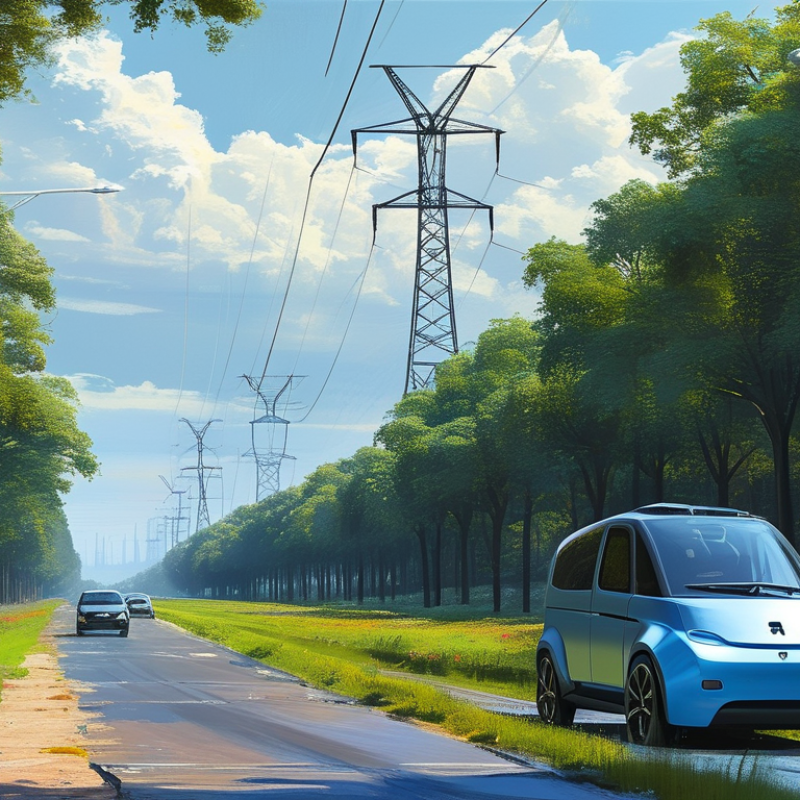
What is Vehicle to Grid V2G Technology and How It Works?

Overview of Vehicle to Grid (V2G) Technology and Its Emerging Significance

Vehicle to Grid (V2G) technology integrates electric vehicles with the energy grid. By allowing EVs to not only draw power but also send it back, V2G creates a two-way power system. This innovation can help balance energy loads, particularly during peak demand times. Electric vehicles act as mobile energy sources, storing energy from renewable sources like solar and wind.

The potential of V2G is significant. It can enhance grid stability and reduce reliance on fossil fuels. As the demand for clean energy rises, V2G provides a way to utilize existing EVs efficiently. However, challenges remain, such as battery degradation and the need for proper infrastructure. Many drivers worry about their vehicle's range and longevity. Understanding these issues is crucial for broader adoption.

Emerging research shows V2G systems can lower energy costs for users. This technology holds promise for smart cities, transforming transportation and energy systems. The successful implementation requires collaboration between automakers, energy providers, and policymakers. Addressing these elements will be vital for realizing V2G’s full potential. The path forward is complex, yet the benefits could be transformative for our energy future.

How V2G Technology Integrates Electric Vehicles with Power Grids

Vehicle to Grid (V2G) technology offers a promising integration of electric vehicles with power grids. By enabling two-way communication, electric vehicles can not only draw power but also feed electricity back into the grid. This creates a dynamic interaction where EV owners contribute to grid stability and efficiency.

The mechanics involve using a bidirectional charger. This allows energy to flow both ways. During off-peak hours, EVs can charge when electricity demand is low. Conversely, during peak hours, these vehicles can discharge stored energy back, supporting the grid. Some studies indicate that widespread V2G implementation could significantly reduce grid strain.

Despite its potential, V2G does face challenges. One major concern is battery degradation over time from frequent cycling. Also, not all electric vehicles are equipped for bidirectional charging. Infrastructure development is critical, and public awareness is low. These issues suggest a need for ongoing dialogue and innovation in the V2G space.

Key Components and Infrastructure Required for Effective V2G Systems

Vehicle-to-Grid (V2G) technology relies on a robust infrastructure to function effectively. Key components include electric vehicles (EVs), charging stations, and a central grid management system. EVs play a dual role; they not just draw energy but also supply it back. This bidirectional flow is crucial for balancing energy loads during peak times.

Charging stations must be equipped with advanced communication systems. They should facilitate real-time energy exchange between the grid and the EVs. This communication is essential for monitoring battery status and energy requirements. A central management system integrates data from multiple sources, allowing for efficient grid operations. The reliability of this setup can be influenced by various factors, such as connectivity issues or power outages.

Effective V2G systems depend on collective cooperation from multiple stakeholders. Local utilities, municipalities, and EV owners must collaborate. This collaboration can be challenging due to differing priorities. Additionally, public awareness of V2G benefits is still developing. Without understanding the advantages, participation may lag. Each component's integration can present unique challenges, requiring continuous evaluation and improvement.

What is Vehicle to Grid V2G Technology and How It Works? - Key Components and Infrastructure Required for Effective V2G Systems

Component Description Functionality Infrastructure Requirement
Electric Vehicle (EV) A vehicle powered by electric energy from batteries. Acts as a mobile energy storage unit. Charging stations equipped for bi-directional energy flow.
V2G Charger Specialized charger that allows energy to flow both ways. Charged vehicle batteries or supplies energy back to the grid. Installation of bi-directional charging units at grid interfaces.
Smart Grid Electricity supply network that uses digital technology. Facilitates the communication and management of energy flow. Infrastructure for advanced metering and control systems.
Energy Management System (EMS) Software for monitoring and controlling energy resources. Optimizes performance and efficiency of both EVs and the grid. Integration with existing grid management software.
Communication Protocols Standards for data exchange between EVs and the grid. Ensures compatibility and data security of V2G interactions. Robust IT infrastructure to support communication systems.

Benefits of V2G: Enhancing Grid Stability and Renewable Energy Utilization

Vehicle to Grid (V2G) technology offers significant benefits for grid stability and enhances the utilization of renewable energy. By allowing electric vehicles (EVs) to feed energy back into the grid, V2G creates a dynamic interaction between energy demand and supply. It enables EV owners to help stabilize the grid during peak demand times while getting compensated for the energy they provide.

Research from the International Energy Agency predicts that, by 2040, the number of electric vehicles could reach over 300 million globally. This could lead to a potential V2G market of 25 billion USD. Given the increasing penetration of renewables, grid operators often face challenges with excess energy generation. V2G can mitigate this by storing surplus energy in vehicle batteries, which can be dispatched back to the grid when needed. This not only balances supply but also reduces reliance on carbon-intensive peaker power plants.

Establishing V2G systems isn’t without challenges. Availability of infrastructure is crucial. Many regions may lack the necessary charging stations. Moreover, consumers may have concerns about battery lifespan and degradation. Addressing these issues requires collaboration among stakeholders.

Considering V2G? Ensure your electric vehicle is compatible with this technology. Always consult local regulations regarding energy storage and delivery. Also, keep an eye on updates in battery technology, as it can influence your decision.

Vehicle to Grid (V2G) Technology: Energy Flow Analysis

This chart illustrates the energy flow and benefits associated with Vehicle to Grid (V2G) technology. The metrics displayed represent the potential impact of V2G on grid discharge, vehicle charging, renewable energy inputs, energy savings, and CO2 emission reductions, showcasing how V2G can enhance grid stability and promote renewable energy utilization.

Current Market Trends and Future Projections for V2G Adoption Worldwide

Vehicle to Grid (V2G) technology is gaining traction as more electric vehicles (EVs) hit the roads. This innovation allows car batteries to not only store energy but also supply it back to the grid. This dynamic interaction can help balance supply and demand. EVs can act as mobile power sources, providing energy during peak hours.

Market trends suggest a growing acceptance of V2G systems. Regions like Europe and North America are investing in smart grid infrastructure. Utilities are exploring ways to incentivize EV owners. These initiatives aim to increase grid stability and reduce reliance on fossil fuels. However, challenges remain. The technology's implementation is still in its infancy. Many consumers are unaware of V2G benefits. The potential for better energy management exists, but education is key.

Future projections indicate a surge in V2G adoption over the next decade. Analysts predict increased partnerships between automakers and energy companies. More research is needed on battery lifespan and efficiency. Additionally, regulatory frameworks will play a crucial role in guiding V2G integration. As the infrastructure develops, V2G may significantly impact the renewable energy landscape. The journey is complex and requires ongoing assessment.

FAQS

: What is Vehicle to Grid (V2G) technology?

: V2G technology connects electric vehicles with the energy grid, allowing for two-way power flow.

How does V2G benefit energy grids?

V2G helps balance energy loads during peak times, enhancing grid stability and efficiency.

Can electric vehicles charge and discharge power?

Yes, electric vehicles can store energy during off-peak hours and feed it back during peak hours.

What are the major challenges of V2G?

Challenges include battery degradation, lack of bidirectional chargers, and inadequate infrastructure.

How does V2G affect energy costs for users?

V2G can lower energy costs by allowing users to sell excess power back to the grid.

What should potential users check before adopting V2G?

Ensure your electric vehicle is compatible and consult local regulations about energy transactions.

How many electric vehicles could support V2G by 2040?

Predicted figures suggest over 300 million electric vehicles could be in use globally by 2040.

Is public awareness of V2G high?

No, many consumers remain unaware of V2G technology and its benefits.

What might happen to battery life with regular V2G use?

Users may worry that frequent cycling could degrade battery life over time.

Why is infrastructure important for V2G?

Proper infrastructure, such as charging stations, is vital for the successful integration of V2G systems.

Conclusion

Vehicle-to-Grid (V2G) technology represents an innovative approach to integrate electric vehicles (EVs) with power grids, enabling two-way energy flow. This system not only allows EVs to draw power from the grid but also permits them to return energy during peak demand periods. The infrastructure necessary for effective V2G systems includes advanced charging stations, smart grid technologies, and robust communication networks, which collectively enhance grid stability and promote the utilization of renewable energy sources.

The benefits of V2G technology are significant, particularly as it contributes to a more resilient energy grid and supports the transition to sustainable energy. Current market trends indicate a growing interest in V2G adoption worldwide, driven by the need for cleaner energy solutions and advancements in electric vehicle technology. As V2G continues to evolve, its role in shaping the future of energy management and electric mobility will likely expand, offering promising opportunities for both consumers and utilities alike.

Charlotte

Charlotte

Charlotte is a seasoned marketing professional with a deep understanding of the company's portfolio and a passion for elevating its presence in the market. With a keen eye for detail and a commitment to excellence, she ensures that our professional blog is regularly updated with insightful articles......